A remedy that needed patience
In 1785, William Withering published his account of the foxglove and its medical uses. He had gathered 156 cases from his private practice and seven from Birmingham Hospital before presenting his conclusions. The delay was part of the method. He wanted more than a few impressive recoveries.
At a time when a successful remedy could quickly become a wonder, Withering paid attention to the patient’s pulse, the dose and the return of symptoms. The plant could help some forms of dropsy, but its effects were not gentle or uniform.
Counting the cases that resist the story
Withering refused to report only the cases that made digitalis look good. He kept the failures and the difficult responses in view. That choice made the book less spectacular and much more useful.
Modern readers can recognise the discipline even though the medicine has changed. A treatment is not understood through its miracles alone. The unwanted effects, the differences between patients and the cases that do not fit are part of the evidence.
From foxglove to digoxin
The modern cardiac drug digoxin comes from Digitalis lanata, a different foxglove. It remains used in specific cardiac situations, under medical supervision. The historical story is not a home remedy and offers no safe dosage to copy.
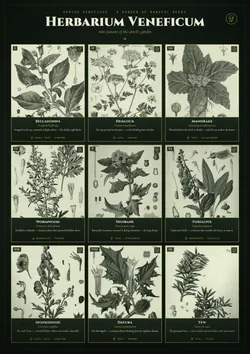
What survives from Withering is a method of attention. The plant is striking, the old plates are beautiful, and the warning is easy to miss. Look closer and the herbarium becomes a record of uncertainty as much as a catalogue of poison.